Butcher block countertops: wood types, finishes and care
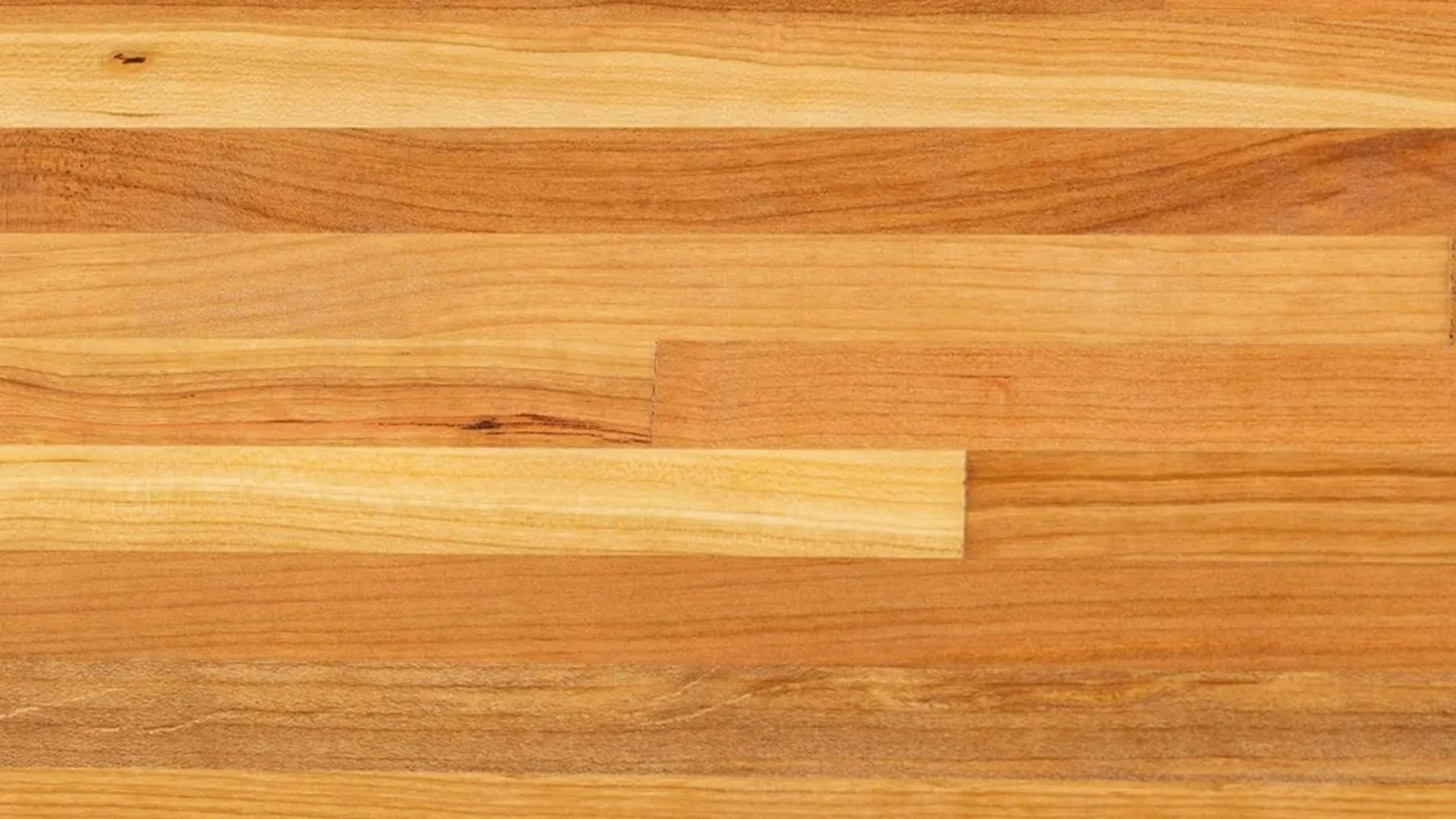
Wood brings warmth that stone cannot. Butcher block is a favorite for islands, baking stations and coffee bars, and it pairs well with stone on the main counters.
Grain styles
- Edge grain: long strips on edge, the most common countertop style, durable and clean-looking.
- End grain: the checkerboard look of chopping blocks, very kind to knives and the most expensive.
- Face grain: wide boards that show the most figure, softer and best for low-wear areas.
Choosing the wood
Maple is hard, light and classic. Walnut is rich and dark. Oak shows a strong grain and is very durable. Cherry and teak are other favorites.
Oiled or sealed
An oiled finish (food-safe mineral oil or board cream) lets you cut on the surface and sand out marks, but needs regular re-oiling. A sealed finish is more water-resistant and low-maintenance, but you should not cut on it. Around a sink, a sealed finish is the safer choice.
Wood moves
Wood expands and shrinks with the seasons, especially with dry New Hampshire winters. Tops are fastened so they can move, and all sides, including the underside, should be finished so the wood stays stable.
Where it works best
An island or baking zone in butcher block, with quartz or granite around the sink and range, gives you warmth and durability. See countertops and the countertop material guide.
Common questions
Can you cut directly on butcher block?
Yes on an oiled finish; knife marks sand out. On a sealed finish, use a cutting board so the finish is not damaged.
Is butcher block good around a sink?
It can be with a sealed finish and quick wiping. Many kitchens keep wood on the island and stone around the sink.
How often should butcher block be oiled?
Often at first, then whenever the wood looks dry or water stops beading. A sealed top needs far less care.
Related: countertops, countertop material guide, kitchen island guide, quartz.
Shop countertops
Order online, pick up in Keene, or ask us about installation.
Book a consult
Tell us the room, a rough budget range and when you'd like to start. We'll come back with next steps and a realistic timeline, no pressure, no mystery pricing.