Home / Countertops / Porcelain
Porcelain countertops in New Hampshire
Sintered stone that works indoors and out. Everything worth knowing before you choose Porcelain for a kitchen, bath or vanity, from the crew that templates, fabricates and sets it.
- Hardness
- Very high, 7+
- Heat resistance
- Excellent, heat and thermal shock resistant
- Porosity / sealing
- Non-porous · never sealed
- Price tier
- Premium (fabrication-intensive)
Where Porcelain comes from
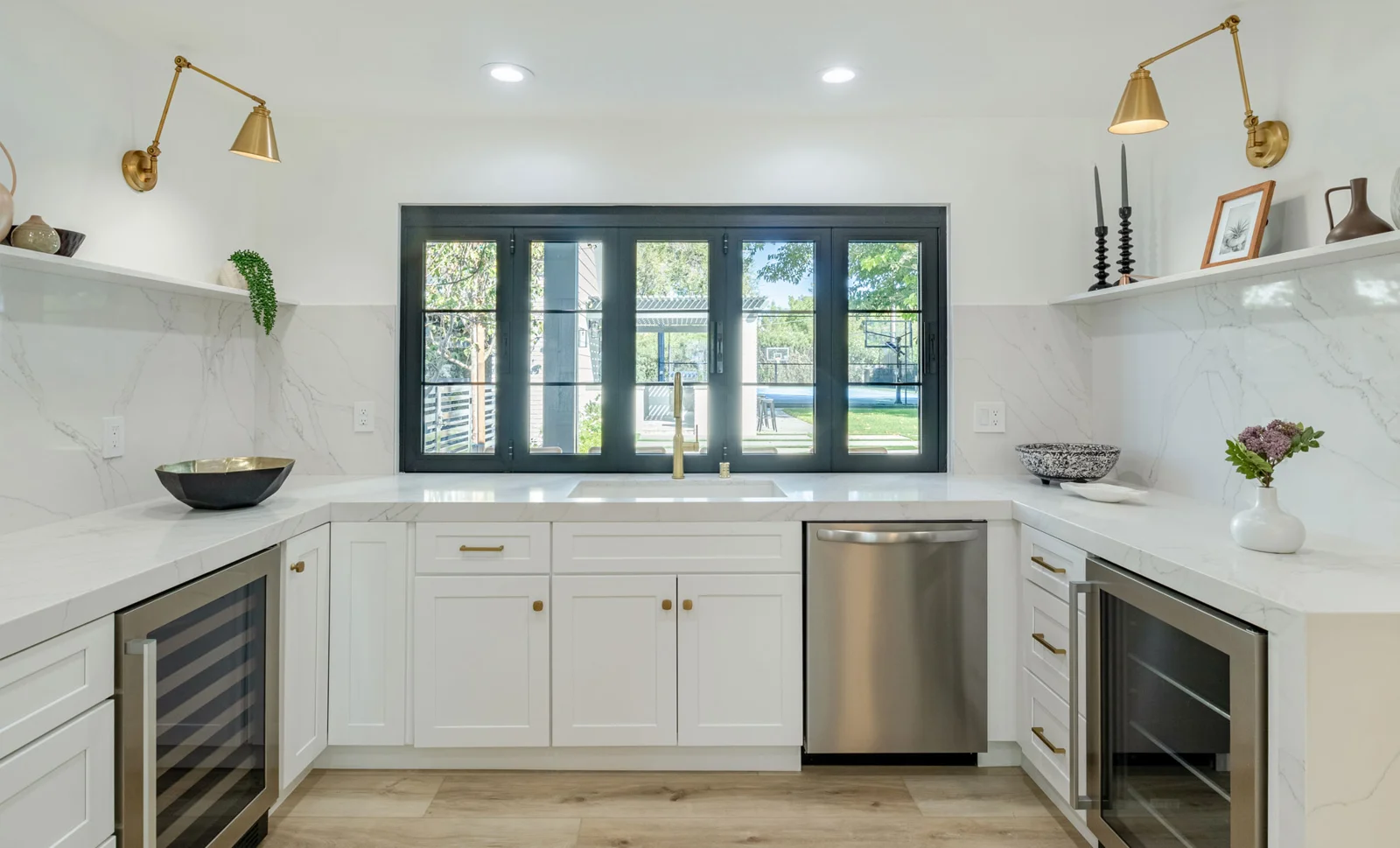
Porcelain countertops are sintered slabs, mineral particles fused under extreme heat and pressure into a dense, through-body slab. Brands like Dekton and large-format porcelain lines produce them in big formats with printed or through-body patterns.
How it holds up, and what it asks of you
Porcelain is among the hardest surfaces available, non-porous, and unusually UV- and heat-stable, which is why it's the go-to for uncovered outdoor kitchens and sunlit rooms. The trade-off is fabrication: the slabs are thin and hard, so cutting, mitring and edge work demand a shop that specialises in it. Edges and cutouts are the vulnerable points if the fabricator is inexperienced.
Pros
- Extremely hard and scratch-resistant
- Non-porous, stain-proof, no sealing
- UV-stable and heat-resistant, great outdoors
- Large formats mean fewer or no seams
- Also works as cladding and full-height backsplash
Trade-offs
- Fabrication-intensive, needs an experienced shop
- Edges and cutouts are the weak points if mishandled
- Printed patterns can show a repeat across a big run
- Premium installed price
Porcelain FAQ
Is porcelain the same as Dekton?
Dekton is a specific sintered-stone brand; 'porcelain slab' covers the broader category. Both fabricate similarly and perform in the same range.
Can porcelain chip?
The face is very hard. Edges and corners are the vulnerable spots, which is why the fabricator's experience matters more here than with any other material.
Is it good for an outdoor kitchen?
It's one of the best choices, UV-stable, freeze-thaw stable and heat-resistant.
Does the pattern go all the way through?
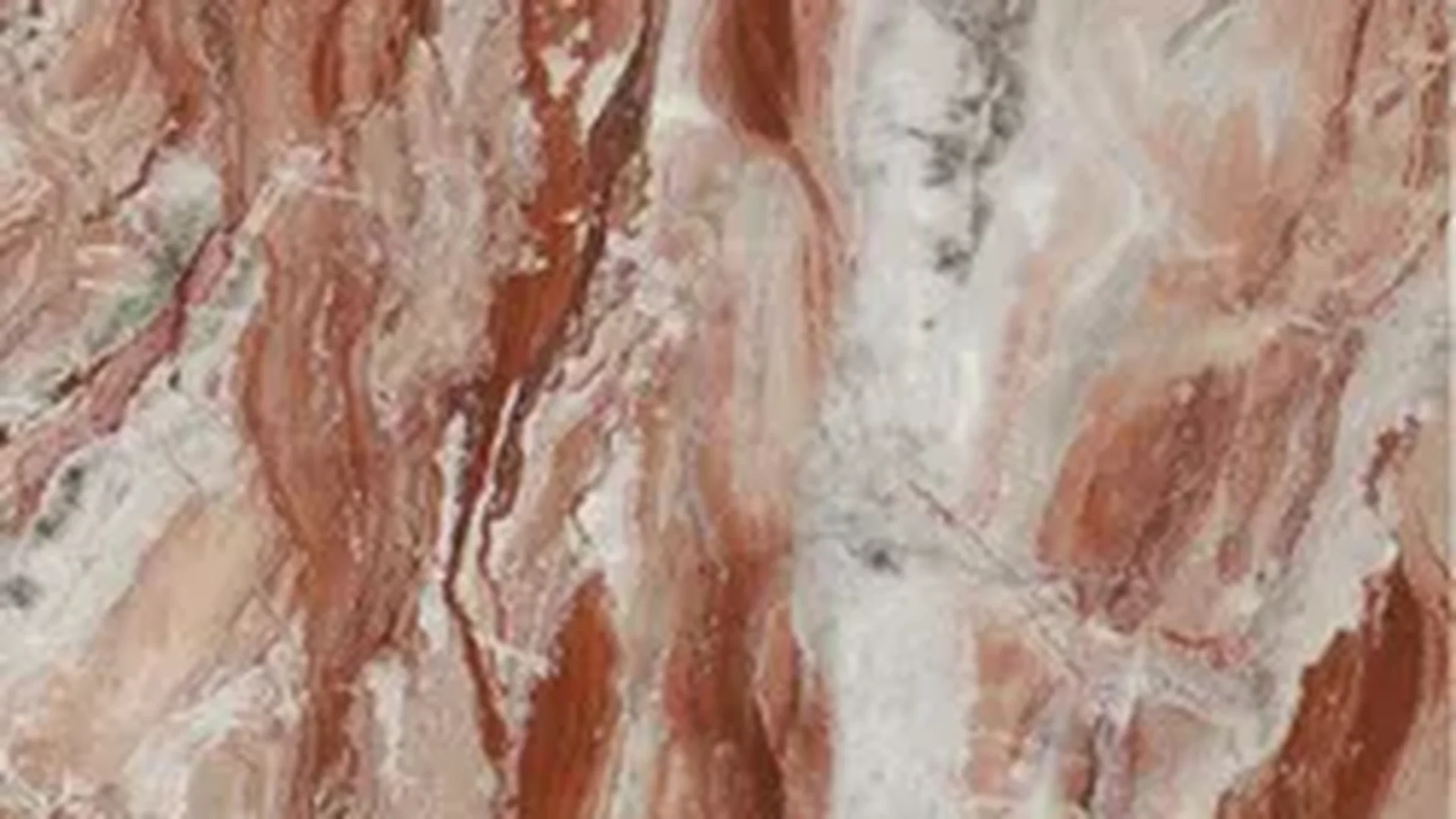
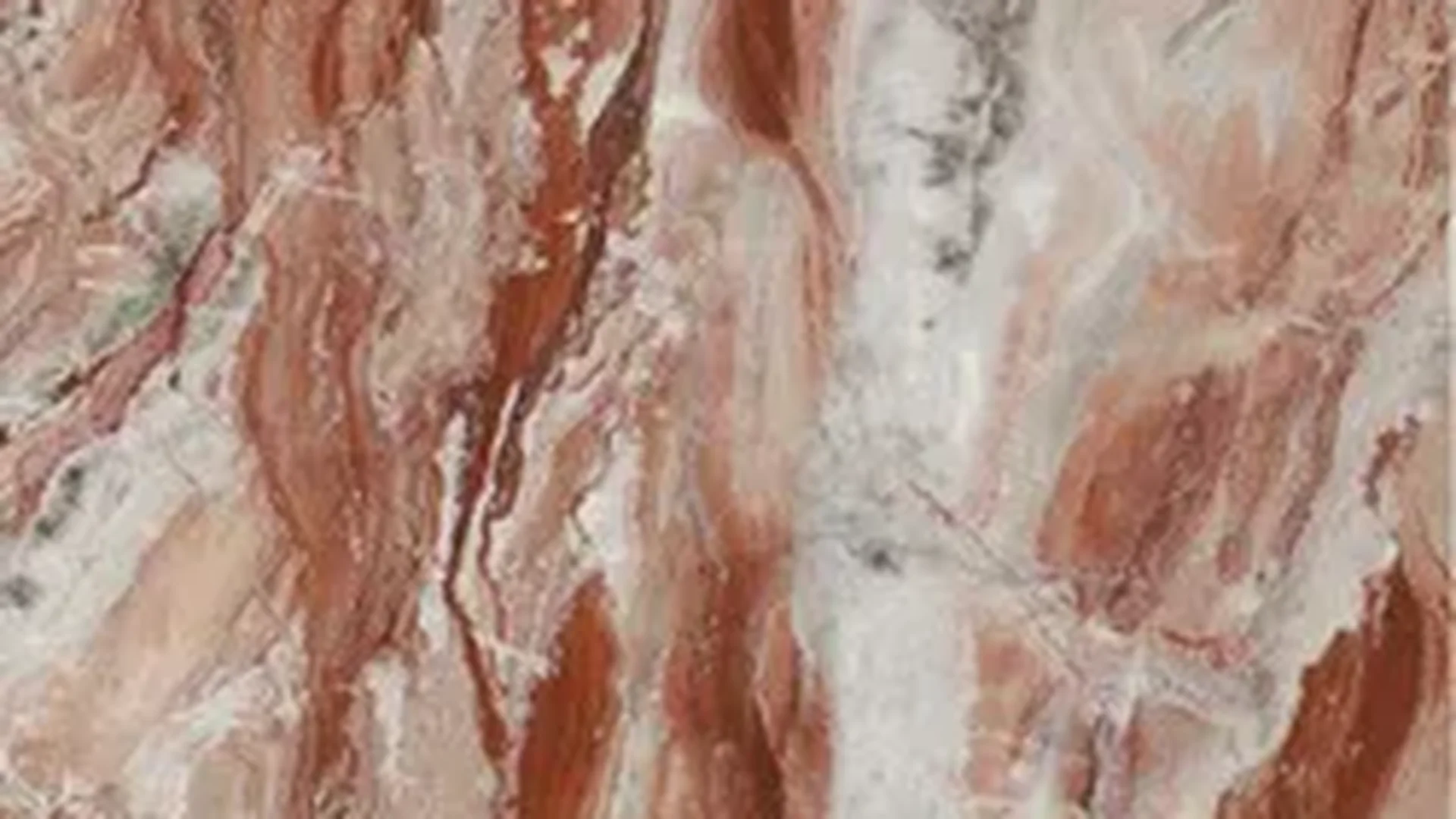
Some lines are through-body; many have a printed surface layer. For a mitred waterfall edge, through-body reads better, we'll point you to the right line.
See a Porcelain slab in Keene
Porcelain, Dekton and the natural stones are all on display. Full slabs on the racks at 104 Emerald St, bring your cabinet door and compare in real light.
Helpful guides & tools
Book a consult
Tell us the room, a rough budget range and when you'd like to start. We'll come back with next steps and a realistic timeline, no pressure, no mystery pricing.